Dananu Village · Ogbomoso, Oyo State
Palm City combines titled land with a professionally managed F1 Tenera oil-palm plantation—built for long-term ownership, structured reporting, and agricultural income.
*Timing follows the agricultural cycle from nursery establishment, not the payment date.
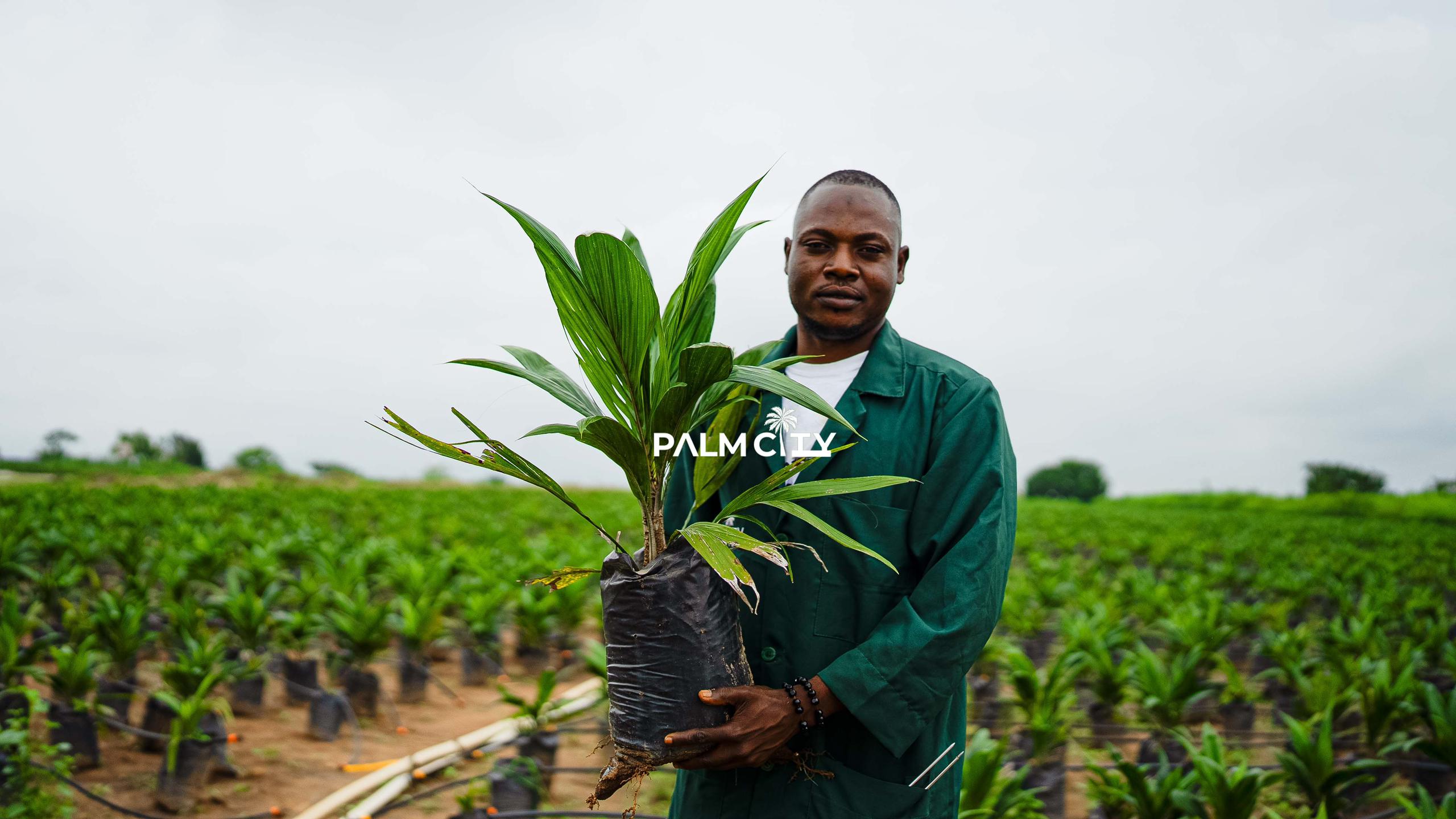
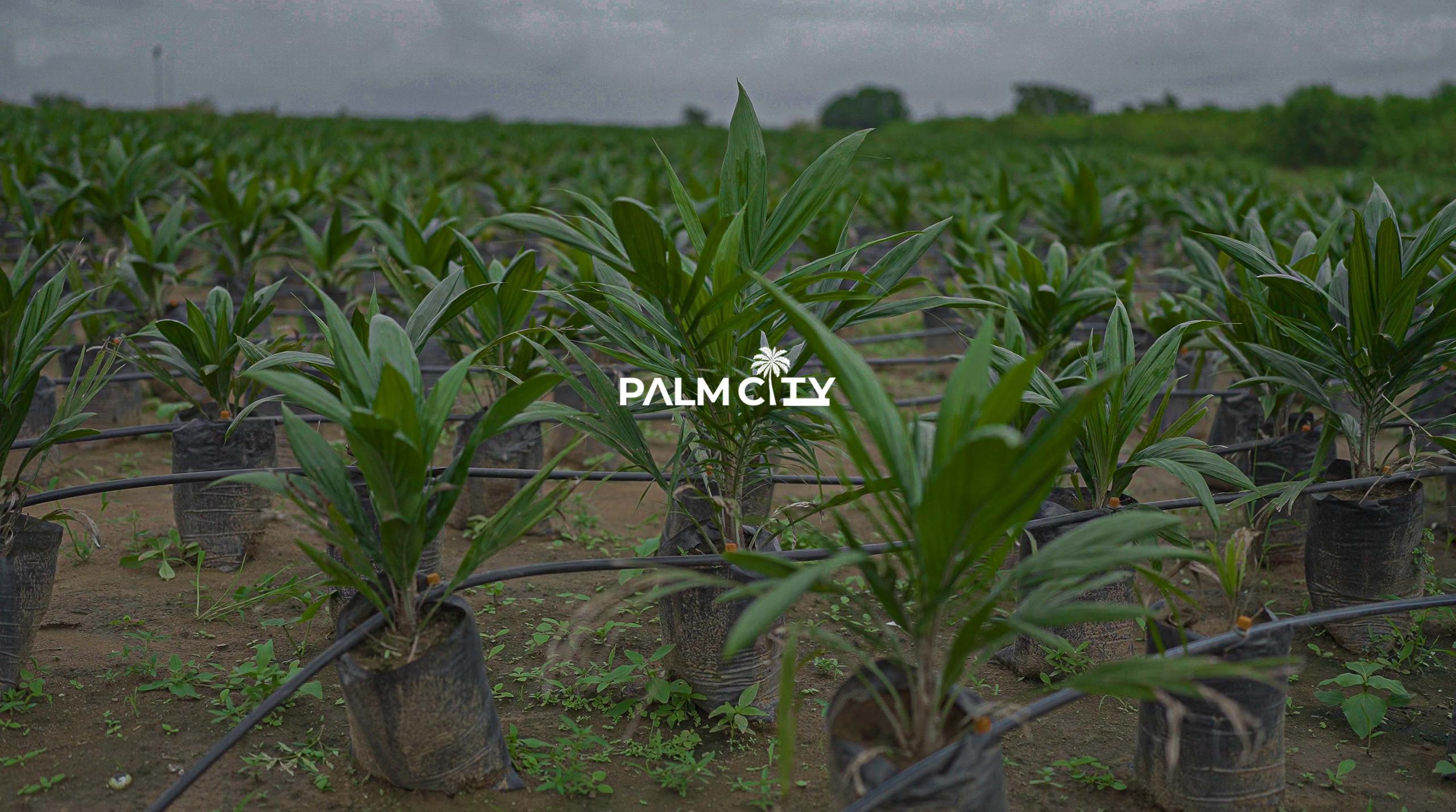
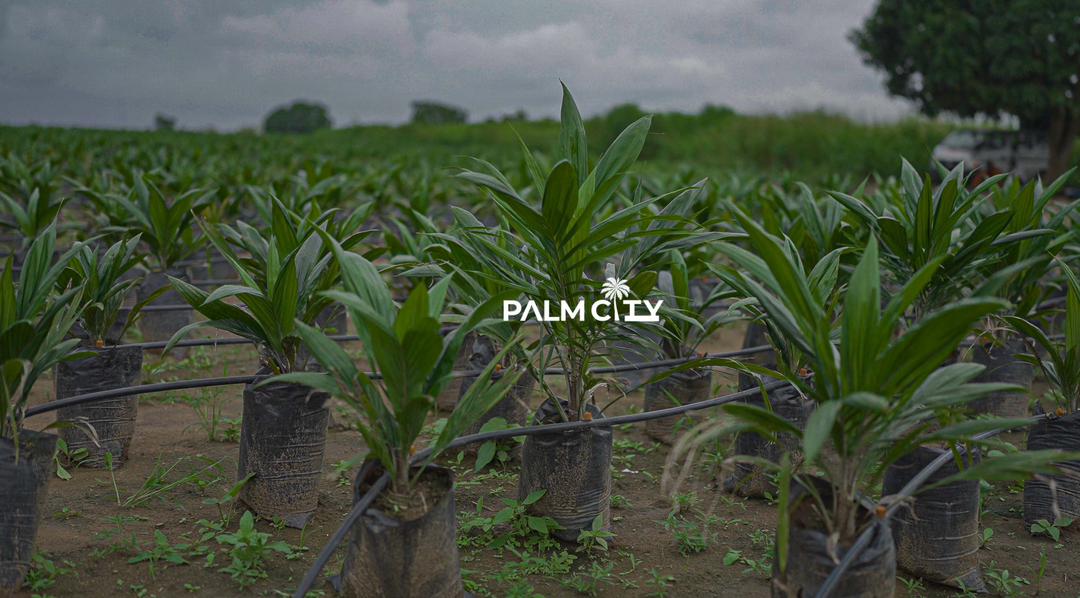
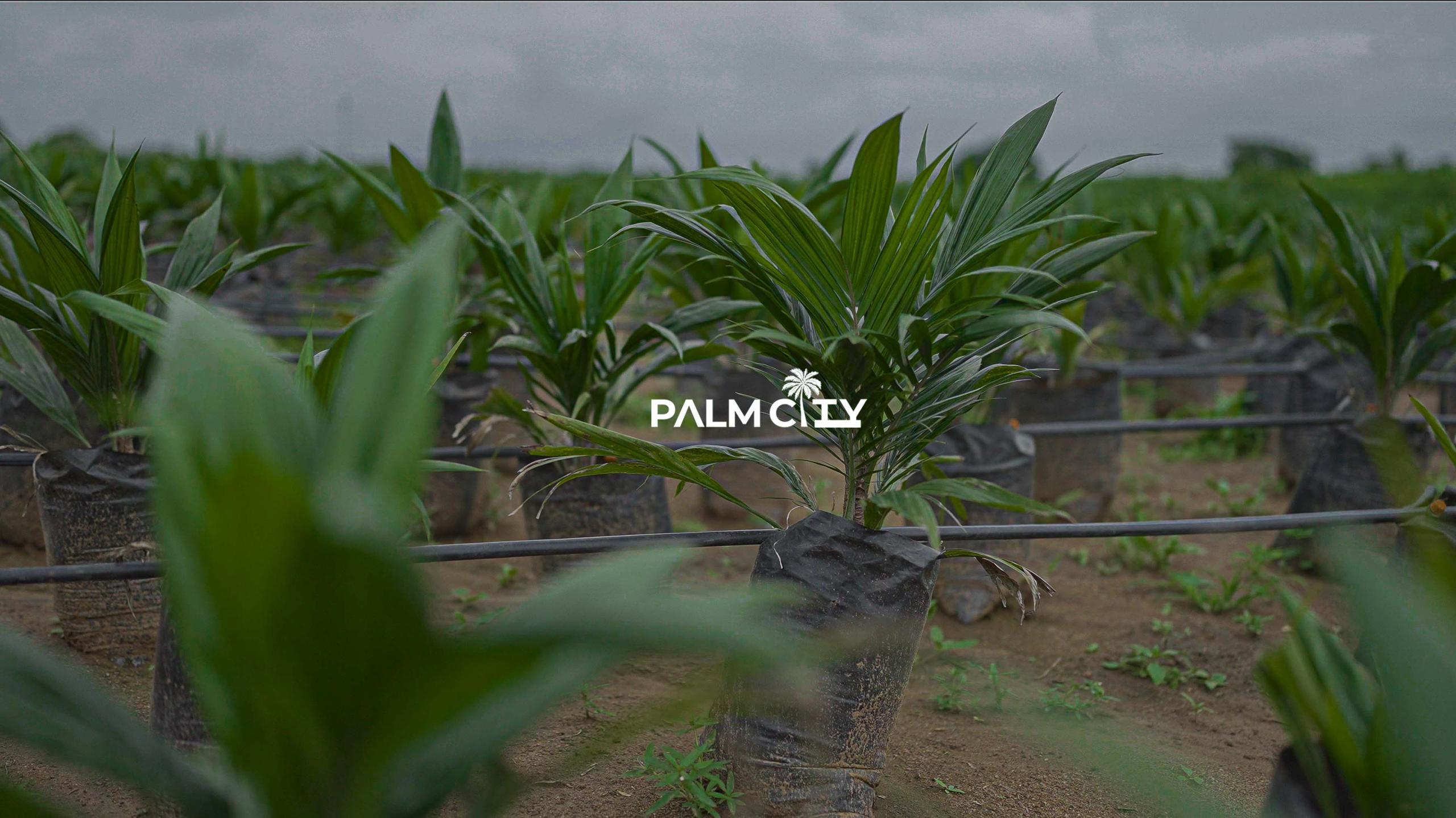
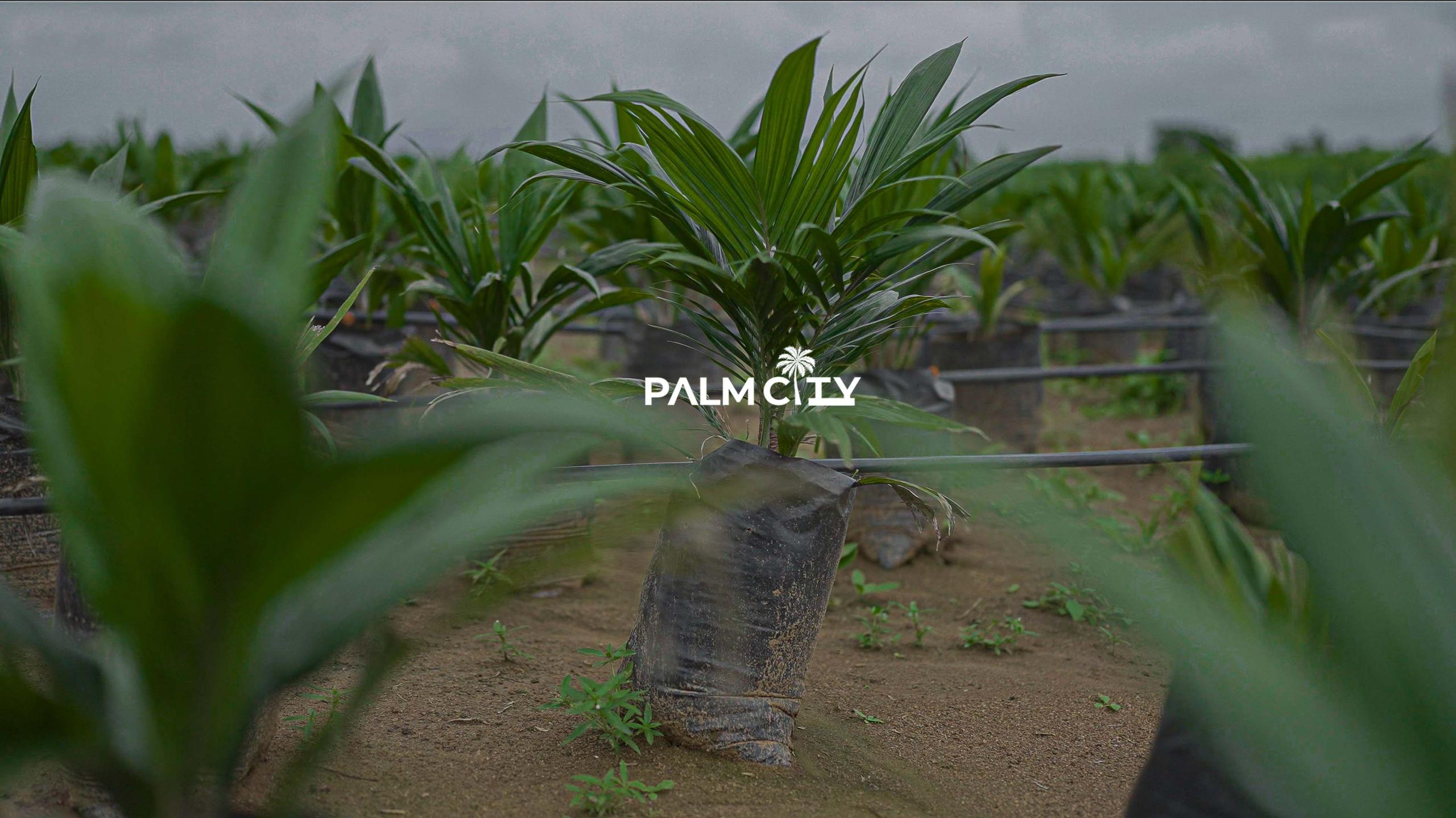
Recent photographs and field updates from the project—not stock imagery.
The nursery uses high-yield seedlings, irrigation infrastructure, and supervised field operations.
Palm City is more than just farmland; it's a hybrid asset. You receive titled real estate that produces agricultural income. It is a professionally managed estate engineered for long-term passive income.
The official subscription guide sets out five steps. Keep every document in one email thread so payment confirmation and property documentation stay traceable.
Request the subscription packFill in the subscription form and terms page accurately. Include the consultant or realtor page when applicable.
Use only the designated company account. Keep the payment receipt for your records.
Email the signed form, receipt, recent passport photograph, and a valid means of identification to info@xymbolicdevelopment.com.
The accounts team confirms payment, then the CRM team issues your documents within 1–7 working days.
Return the signed Contract of Sale in the same email thread. You will then join the Palm City Stakeholders Community for major updates.
Thorough due diligence verifying title and ownership. Open communication with government. Land is free from government encumbrances.
Comprehensive measures: fencing, surveillance, and trained personnel. Community engagement and job creation for locals reduce external threats.
Diversified products (Palm Oil, Kernel Oil, Cake). Premium pricing strategies and hedging against currency volatility.
Structured management framework with external auditing. Operations are not dependent on a single individual, ensuring continuity.
Clear answers drawn from the August 2026 Palm City brochure, Ogbomoso FAQ, terms, and subscription guide.
47 questions
What Palm City is, where it is, and how it is structured.
The project is at Dananu Village in Ogbomoso LGA, Oyo State—about three hours from Ibadan, according to the project FAQ.
No. Palm City is being developed as a network of oil-palm estates. The documents state that an earlier location is already under development, with nursery and early plantation work under way.
You buy a defined area of land and participate in a fully managed oil-palm plantation on that allocation. The project documents describe ownership of the land, the trees, and the produce, subject to the estate’s central management and land-use rules.
It is presented as a hybrid asset: documented real estate used to produce agricultural income. It is not a pooled fund and it is not ordinary land banking.
The model includes estate planning, plantation establishment, central agronomy, reporting, processing plans, community infrastructure, and long-term operational management. The aim is to remove the need for each owner to build a farm operation independently.
Titles, documents, visits, transfers, and permitted use.
The Ogbomoso estate is documented with a Deed of Assignment and Registered Survey, with a stated pathway toward obtaining a Certificate of Occupancy. Buyers should review the current title documents during due diligence.
At purchase, the stated documents are a Contract of Sale, Letter of Acknowledgement, and payment receipt. At physical allocation, owners receive a Deed of Assignment and Provisional Survey Plan.
After the deposit is confirmed, the plot is marked on the master layout and a Virtual Allocation Letter is issued. The FAQ says virtual allocations are processed quarterly.
Physical allocation follows land preparation, typically around three months before planting. Combining clearing, allocation, and plantation setup is intended to reduce repeat costs and align the process with the estate development cycle.
After physical allocation, the survey-plan coordinates, boundary beacons, and a sign showing the owner’s name or plot number identify the allocation on the ground.
Yes. After physical allocation you can visit and identify the plot. Notify the team before an individual visit or join a scheduled group inspection.
Yes. Notify Palm City so the new owner can be documented. For a mature plantation, Palm City retains a Right of First Refusal; if it does not exercise that option, the owner may sell to another buyer.
Yes, subject to availability. The documents also describe an expansion programme for increasing an existing holding under special offers.
Who runs the plantation and why operations are centralised.
Xymbolic Development Ltd manages the estate in partnership with YieldRise Africa Ltd. The stated team includes agronomists, plantation managers, supervisors, and field workers, with a NIFOR plantation specialist serving as lead consultant.
The team handles planting, field maintenance, harvesting, milling, sales, administration, and reporting across the estate.
The documents describe a 70:30 revenue-sharing model. The 30% management share covers labour, maintenance, harvesting, processing, administration, and reporting rather than requiring separate operating payments from each owner.
No. Palm City is designed as a passive, fully managed system. Owners can inspect progress and receive updates without carrying out daily operations.
No. All plots follow one agronomy programme, harvesting schedule, and processing system. Separate management could introduce inconsistent practices, disease exposure, or production inefficiencies across neighbouring plots.
Ownership remains with you, but technical management stays centralised throughout the project lifecycle. Owners continue to have access to visits, progress updates, and reports.
Not during the oil-palm project lifecycle. The estate requires uniform land use to protect agronomy standards, pest control, harvesting, and shared processing infrastructure.
The project documents say operations are built around documented processes, oversight, and external auditing rather than one person. A qualified replacement operator can be appointed so plantation management continues without splitting the estate into individually managed plots.
The FAQ states that plantation establishment is covered by the purchase price and ongoing field operations by the management share. It says owners should not be asked for additional out-of-pocket maintenance payments.
Timelines, seedlings, projections, and how owners are updated.
Palm City states that it uses F1 Tenera seedlings, selected for higher yield, oil content, and disease resistance compared with locally pollinated varieties.
Light fruiting may begin after about two years. Proper commercial harvesting and more consistent production are expected from around year three, subject to field conditions.
The documents say earnings typically begin in the fourth year from nursery establishment, when commercial processing and sales begin. This is tied to the agricultural cycle—not the date an individual payment is made.
No. The brochure labels them as illustrative gross projections based on yield assumptions and 2024 market-price bands. Actual results can change with yield, weather, market price, operations, processing, and the 30% management share.
Revenue moves with market prices. Higher prices can raise income and lower prices can reduce it. The projections use crude palm oil as the base and do not treat palm-kernel oil, kernel cake, or other by-products as guaranteed additional income.
The project intends to assign an export quota where commercially viable, with the aim of earning foreign currency. This is an operational intention, not a guaranteed market outcome.
Owners are expected to receive quarterly and annual reports plus interim Stakeholders Community updates. After harvesting begins, the annual performance report is intended to include audited production and financial summaries.
The controls described in the project documents.
The stated approach includes title and ownership due diligence, checks for government encumbrances, ongoing regulatory engagement, and adapting operations as rules change.
Planned controls include fencing, surveillance, trained security personnel, cooperation with law enforcement, and local employment intended to strengthen community ownership.
The documents cite soil assessment, crop monitoring, disease-prevention measures, environmental reviews, drainage and erosion controls, plus water infrastructure for dry periods.
The plan combines land due diligence with a community liaison, engagement with local leaders, CSR programmes, employment, and outgrower schemes that connect the host community to the value chain.
The project plans to diversify into palm-kernel oil and palm-kernel cake, pursue premium sales opportunities, and consider hedging tools. These measures can reduce exposure but cannot remove commodity-price risk.
The brochure states that a Leadway Assurance partnership covers seedlings against specified unforeseen risks and is intended to continue at different stages of the plantation lifecycle. Ask for the current policy scope, exclusions, and insured events before subscribing.
Current brochure figures, required documents, defaults, cancellation, and land-use limits.
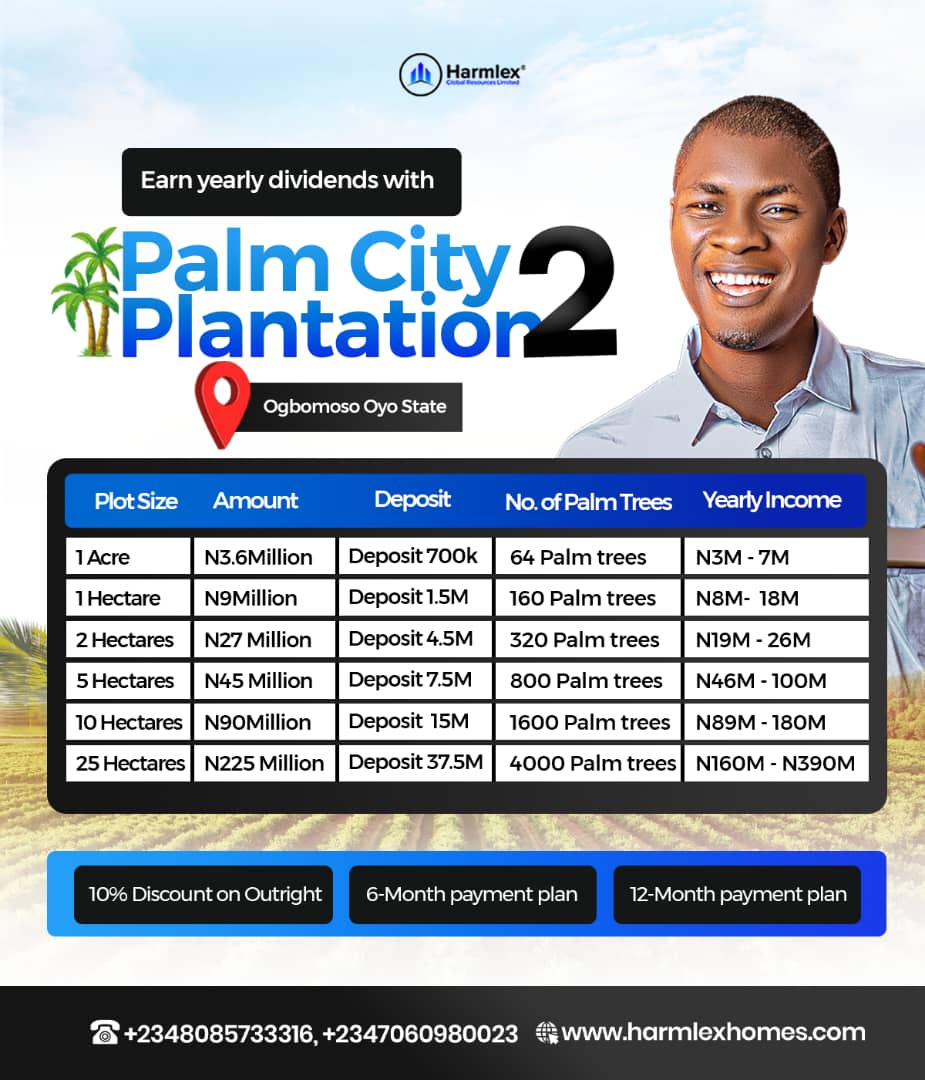
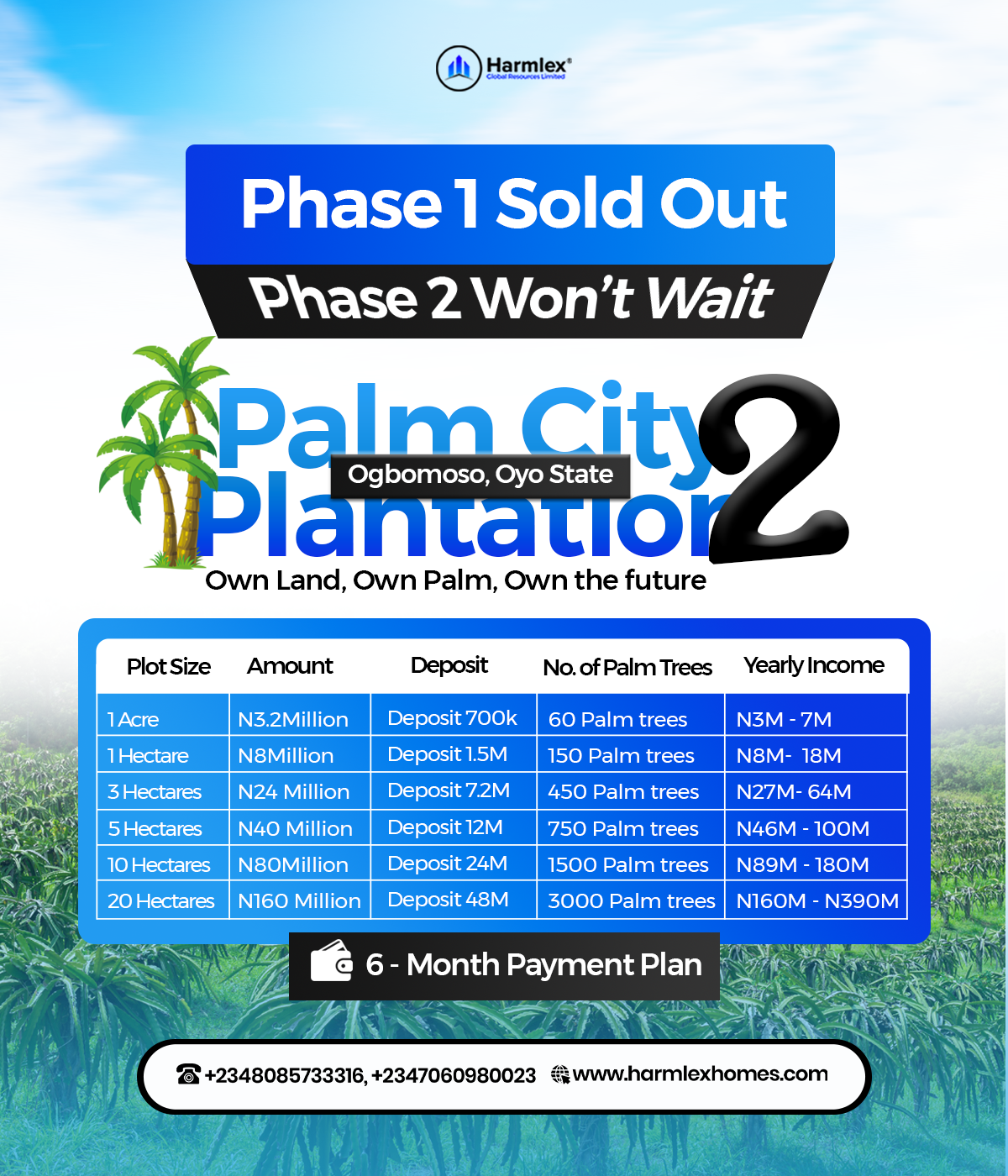
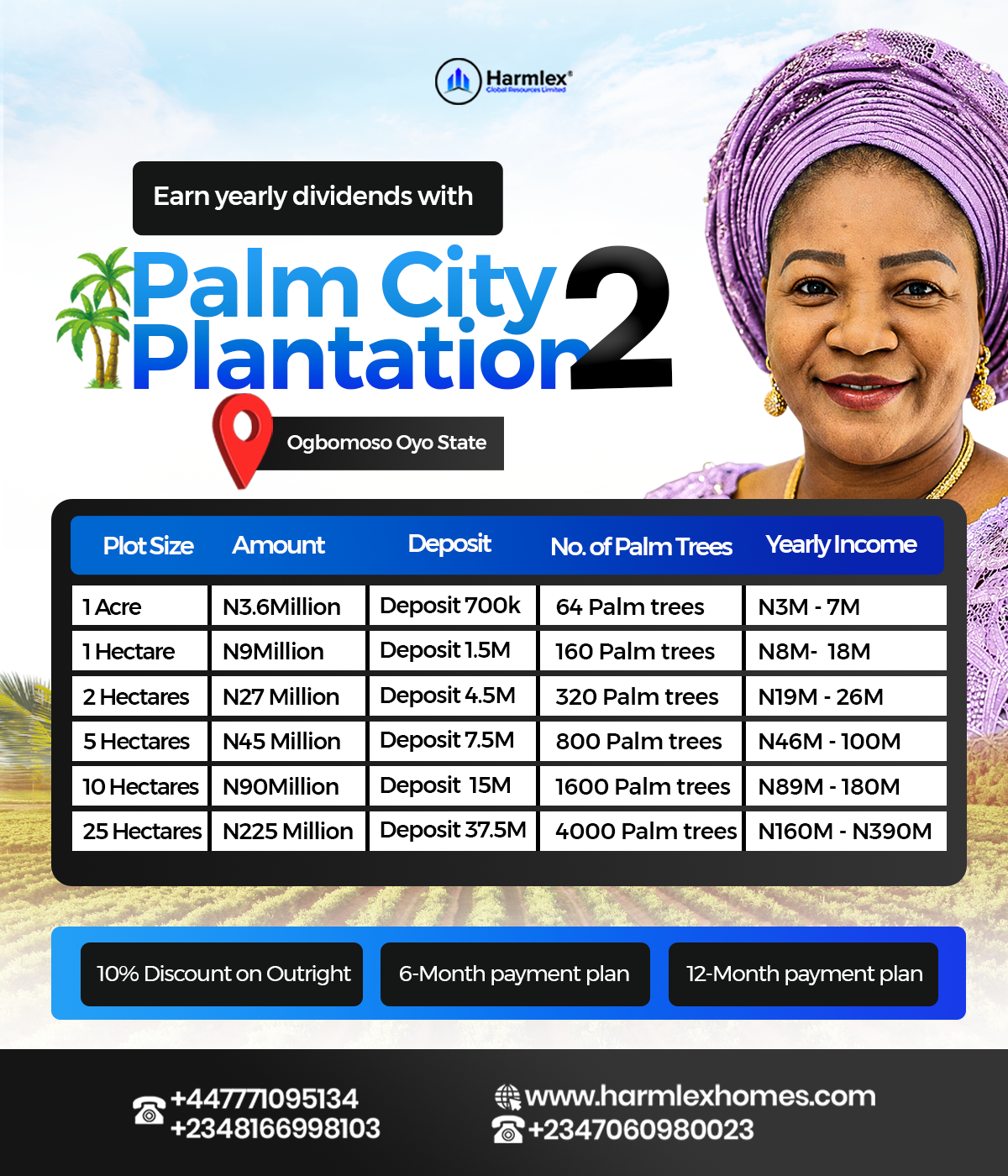
The brochure lists one hectare at ₦9,000,000 on a 12-month plan, ₦8,550,000 on a six-month plan, or ₦8,100,000 for the stated outright-payment window. One acre is listed at ₦3,600,000 on an eight-month plan, ₦3,420,000 on six months, or ₦3,240,000 outright. Prices and availability can change; request a current offer before paying.
The August 2026 brochure lists a ₦1,500,000 deposit for one hectare and ₦700,000 for one acre. Confirm the amount against the current invoice and subscription form.
The brochure lists 5% for 2–4 hectares, 10% for 5–9 hectares, five hectares plus one acre for 10–24 hectares, and 25 hectares plus five hectares free for one block. These are offer terms and should be reconfirmed before purchase.
Submit the completed subscription form and terms page, payment receipt, recent passport photograph, and valid identification. Include the consultant or realtor page when applicable. Company purchases also require CAC incorporation documents and a board resolution authorising the purchase.
Send one complete email to info@xymbolicdevelopment.com, copying your consultant when applicable. The subject should state that it is a Palm City subscription and name the number of hectares or acres purchased.
After the accounts team confirms payment, the CRM team should send documents by email within 1–7 working days. Sign the Contract of Sale and return it in the same email thread.
The supplied form names Wema Bank, account 0127187802, account name “XYMBOLIC DEVELOPMENT/PALMCITY”. Because payment instructions can be targeted by fraud, verify these details through an official Harmlex/Xymbolic contact and your current invoice before every transfer. Never pay a personal account.
The terms state that outstanding balances attract 5% interest per month after the chosen payment period. Missing payments for three consecutive months can lead to cancellation.
Notify the company at least one month before the current plan expires. The stated term is a 10% charge on the total subscription price for each three-month extension.
Within three months and before cultivation, the terms state that refunds are less a 40% administrative charge. After cultivation begins—including pre-nursery setup—the terms say there is no primary refund; any secondary refund depends on resale and still carries the 40% administrative charge.
If you reduce the subscribed plot count while payment is still in progress, the supplied terms apply a 10% administrative charge based on the original total subscription price.
Not during the oil-palm project lifecycle. The land must remain in the estate’s oil-palm programme. At the end of a plantation cycle, repurposing may be considered only if the owners collectively decide not to continue and all zoning and government approvals are satisfied.
Try a shorter term, or send your question through the investment form.
Ask the Palm City teamImportant: This FAQ summarises supplied project documents and does not replace the Contract of Sale, title review, current offer letter, insurance policy, or independent legal and financial advice.